Hyundai Car Key Replacement: What Makes These Systems Different
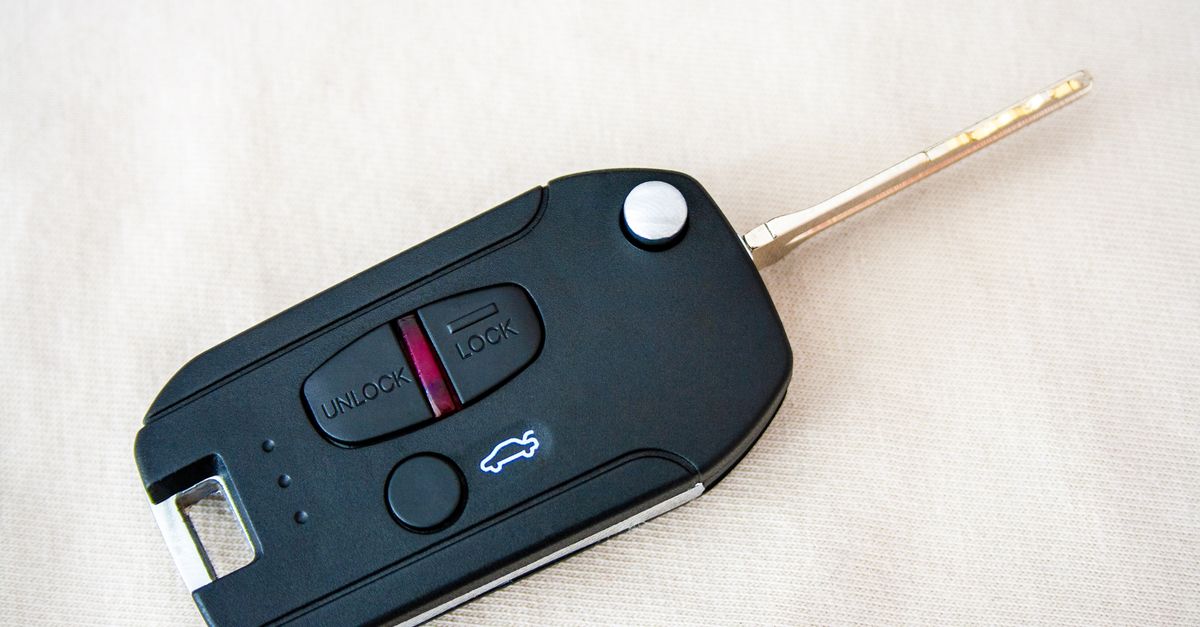
Hyundai has used several generations of key and immobilizer technology across its lineup, and understanding which system your vehicle uses is the first step toward a successful replacement. Older Hyundai models used a basic transponder key with a chip embedded in the plastic head — the chip communicates a unique code to the car's immobilizer, and without that handshake, the engine will not start even if the key blade cuts perfectly. Mid-generation models introduced remote head keys that combine the transponder chip with lock and unlock buttons in a single unit. Newer Hyundai vehicles — including recent Elantra HEV, Sonata, and Tucson trims — use proximity-based smart keys that allow push-button starting and handle-touch entry without ever removing the fob from your pocket. Each type requires a different set of tools and programming procedures, which is why calling a technician experienced specifically with Hyundai systems matters.
The programming step is where many generic services fall short. A key blade that is cut to the correct profile but not properly coded to your vehicle's immobilizer module will leave you with a key that turns in the lock but a car that refuses to start. Our technicians use OEM-compatible programming equipment to sync the new key or fob directly to your specific vehicle identification number, and we run a confirmation test before we pack up and leave. We also verify proof of ownership — a valid ID matched to the vehicle registration — before beginning any work. This step protects you as the owner and ensures the integrity of every job we complete.