How On-Site Key Fob Programming Works — and Why It Matters
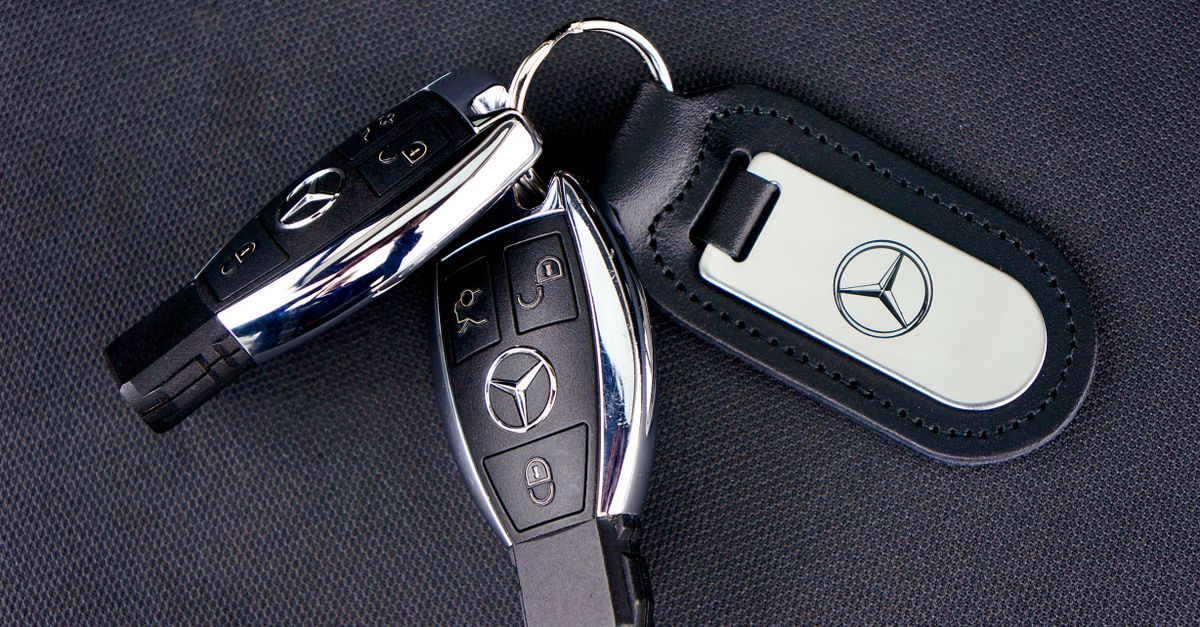
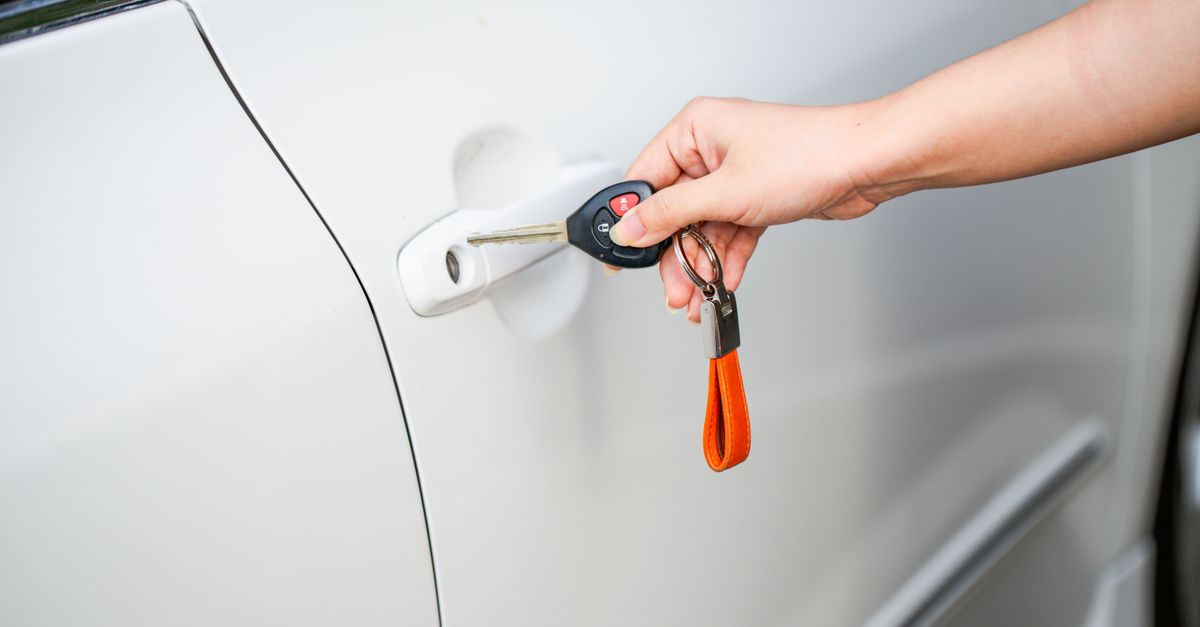
Remote key fobs communicate with your vehicle through a rolling-code radio frequency system. Each time you press a button, the fob and the car's receiver exchange a synchronized code sequence. When that synchronization is lost — because of a dead battery, a fob submerged in water, or simply a new replacement fob fresh out of the box — the vehicle does not recognize the signal at all. Programming is the process of introducing the new fob's code signature to the car's body control module so both sides are speaking the same language again. Some older vehicles allow a manual self-programming sequence using the ignition, but the vast majority of cars built in the last decade require dedicated diagnostic equipment to complete the process correctly.
Our technicians carry that equipment with them on every call. When we arrive at your location — whether that is a driveway in Irondequoit, a parking garage downtown near the Blue Cross Arena, or a worksite off Goodman Street — we verify vehicle ownership, assess the fob type your make and model requires, and connect to the vehicle's OBD port to begin the pairing sequence. The process is non-invasive and leaves no marks on the car. Once programming is confirmed, we test every function: lock, unlock, trunk, panic, and remote start if applicable. You watch it work before we consider the job done.