What Is a Mortise Lock and Why Do Rochester Homes Have So Many of Them?
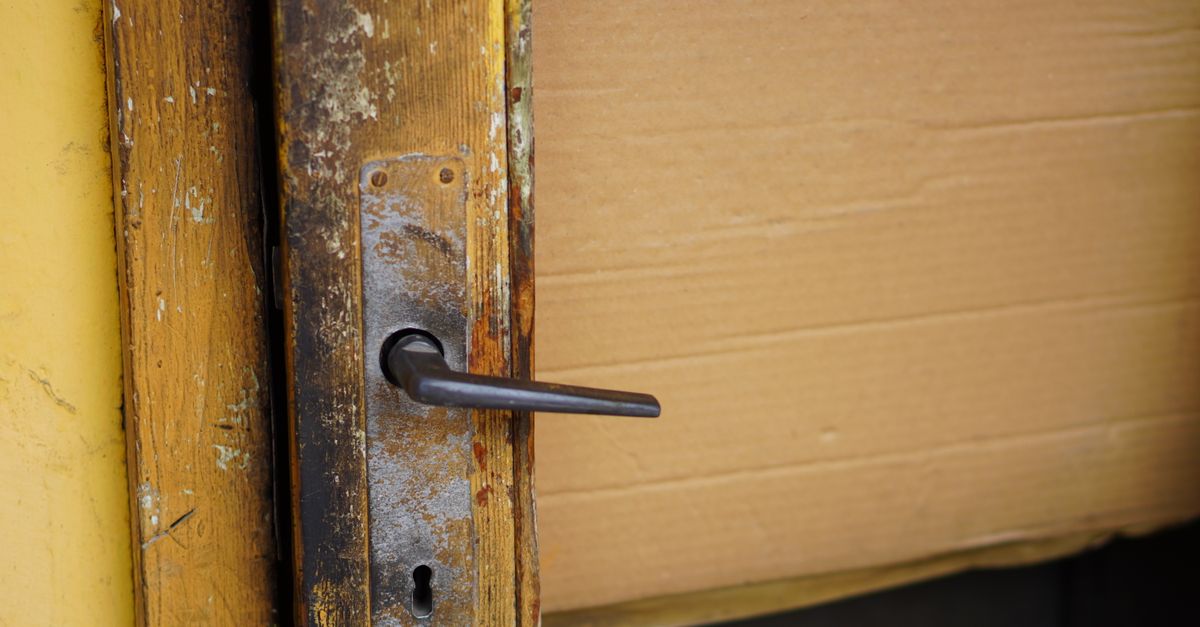
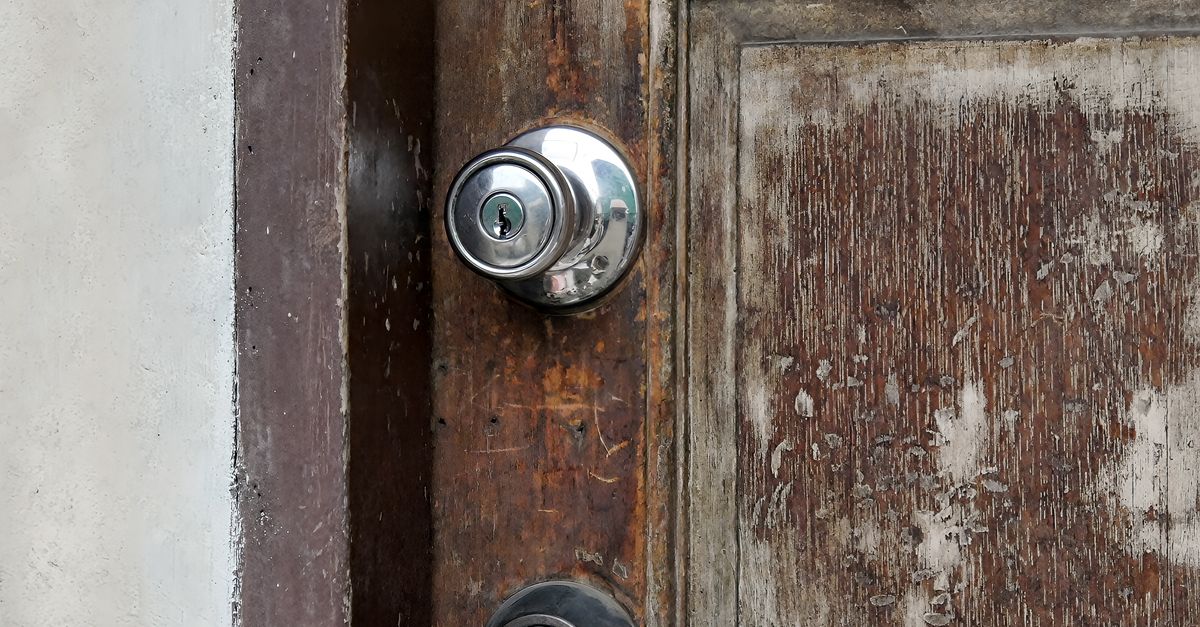
A mortise lock is a lock mechanism that fits into a deep rectangular pocket — a mortise — cut into the door's edge, rather than sitting on top of the door surface like a standard bored cylindrical lock. The lock case contains multiple moving parts: a latch bolt, a deadbolt, a cam, springs, and a spindle, all housed in a single metal body. Exterior hardware like the knob, lever, or escutcheon plate mounts over the case, but the real security work happens inside the door. This multi-component design is why mortise locks offer significantly more resistance to forced entry than a simple tubular knob lock — there are no hollow cylindrical holes drilled through the door stile, leaving the wood far stronger around the mechanism. Because Rochester experienced its most intense residential construction boom between the 1880s and the 1950s, and because mortise lock sets were the industry standard throughout that era, they're woven into the architectural DNA of neighborhoods like Corn Hill, Browncroft, and Swillburg. Many of those original lock cases are still in the doors — and many of them still work, at least partly.
The most common brands our technicians encounter in older Rochester properties are Corbin Russwin mortise lock units and Sargent cases, though Yale, Lockwood, and various no-name domestic manufacturers also turn up regularly. Each has slightly different internal geometry, which means the cylinder, cam, and tailpiece dimensions aren't always interchangeable across brands. That's exactly why a trained locksmith — not a general handyman — is the right call when one of these locks starts acting up.